
Touch screen POS terminal vs tablet POS: which is better?
- 1) How does total cost of ownership (5-year TCO) really compare between a commercial touch screen POS terminal and a tablet POS when you factor in certifications, peripherals, and downtime?
- 2) Will a touch screen POS terminal make it easier to meet PCI, EMV and P2PE requirements than a tablet POS?
- 3) What hidden integration headaches should I expect when migrating legacy printers, scales, and kitchen systems to a tablet POS versus a touch screen terminal?
- 4) How do repairability, spare parts strategy, and multi-site SLAs differ—what should I require from a POS terminal vendor?
- 5) In high-volume retail or quick-service restaurants, how do thermal behavior, touch accuracy, and integrated scanners perform differently on touch screen POS terminals vs tablets?
- 6) What device management, application lockdown, and update policies should I demand so my POS fleet remains secure and auditable?
1) How does total cost of ownership (5-year TCO) really compare between a commercial touch screen POS terminal and a tablet POS when you factor in certifications, peripherals, and downtime?
Enterprise buyers often see a cheaper upfront price for a tablet-based POS, but the true 5-year TCO must include hardware lifecycle, payment certification, peripheral compatibility, and downtime costs.
Hardware lifecycle and support: Commercial touch screen POS terminals are designed for 5+ years of continuous use, with vendor firmware updates, optional depot repair programs, and replaceable modular parts (power supplies, displays, MSR/PIN pad modules). Consumer tablets commonly have a supported lifecycle of 2–3 years before major OS updates, battery degradation, and warranty limits become issues.
Payment certifications and compliance costs: Integrated commercial terminals with built-in EMV readers and PCI PTS-certified PIN entry devices often reduce recurring certification work for the merchant and POS vendor. Tablet POS setups normally require external PIN pads or mobile PIN entry that may need separate PCI PTS or P2PE validation and more frequent software re-certifications when payment flows change.
Peripheral and integration costs: Legacy peripherals (kitchen printers, scales, barcode scanners, cash drawers) may need extra adapters or interface hubs to work with a tablet (Bluetooth dongles, serial-to-USB converters, powered hubs). A touch screen POS terminal typically includes native RJ45/RJ11/RS232/USB ports and cash-drawer kickers, reducing the need for adapters and potential points of failure.
Downtime and repair costs: Enterprise terminals are built for on-site or depot swap repair with spares pools and SLA options; consumer tablets often require longer lead times for replacement and can mean longer store downtime if a device fails.
Bottom line: if you operate multiple sites or high-volume retail/restaurant environments, the higher upfront cost of commercial touch screen POS terminals is frequently offset over 3–5 years by lower integration complexity, fewer certification headaches, better serviceability, and reduced downtime costs. For single-location, low-volume or pop-up sellers, a tablet POS can still be cost-effective if you accept shorter device lifecycles and extra peripheral adapters.
2) Will a touch screen POS terminal make it easier to meet PCI, EMV and P2PE requirements than a tablet POS?
Yes—commercial touch screen POS terminals are generally easier to align with PCI and EMV requirements because they are built with payment security in mind.
Hardware security: Many commercial terminals include integrated, PCI PTS-certified PIN entry devices (PEDs) or support for certified PIN pads. These provide hardened key management (SRED/HSM) and secure chip card readers, which reduce the merchant’s scope for compliance compared with consumer tablets that often rely on external PIN pads or software-based PIN entry.
P2PE readiness: Point-to-Point Encryption (P2PE) solutions are commonly deployed on purpose-built terminals because the encryption keys are securely injected at the hardware level. Implementing P2PE on a tablet requires careful selection of certified external devices and validated integrations.
OS and update control: Enterprise POS terminals often support stable, long-term OS images (Android Enterprise, Windows IoT) and controlled firmware updates from the vendor. Consumer tablets are subject to frequent OS changes from the manufacturer and app store ecosystems, which can expand PCI scope and increase revalidation work.
If your business processes card-present PIN transactions and needs to minimize PCI scope and audit effort, choose a terminal with integrated, vendor-supported payment modules that are already PCI PTS or P2PE certified.
3) What hidden integration headaches should I expect when migrating legacy printers, scales, and kitchen systems to a tablet POS versus a touch screen terminal?
Tablet POS implementations commonly encounter hidden friction points when integrating legacy hardware:
Interfaces: Legacy kitchen printers, receipt printers, weight scales and pole displays commonly use RS232 (serial), powered serial, cash-drawer kick (RJ11), or specialized protocols. Commercial terminals frequently ship with native serial and RJ11 ports and configurable voltage outputs for cash-drawer kickers. Tablets often require USB-to-serial adapters, network print bridges, or Bluetooth pairing that can add latency and support complexity.
Power and reliability: Kitchen printers and scales often expect continuous power/always-on connectivity. Tablets running on battery or Wi‑Fi-only setups may suffer from intermittent connectivity or need additional power hubs. Wired terminals avoid this single-point failure.
Driver and SDK support: Many legacy devices have vendor SDKs for Windows or Linux-based POS systems but lack robust Android/iOS SDKs. Touch screen POS terminals often provide OS-level drivers or middleware to interface with these peripherals, while tablet solutions may need custom middleware or cloud printer services, increasing development and maintenance costs.
Network architecture: High-volume kitchens rely on low-latency wired LAN connections. Tablets on Wi‑Fi may experience packet loss or interference during peak hours; commercial terminals can be wired, or come with dual-band enterprise Wi‑Fi and cellular failover options.
Recommendation: Before migration, audit all peripheral interfaces and request a proof of concept that exercises every device (printer model, scale, pole display) under peak load conditions. If you have many serial-managed legacy devices, a commercial POS terminal or a small edge gateway with serial ports often avoids costly workarounds.
4) How do repairability, spare parts strategy, and multi-site SLAs differ—what should I require from a POS terminal vendor?
Large-scale merchants must plan for mean time to repair (MTTR) and spare pool management to prevent lost sales from device failures. Requirements to include in procurement:
Modular hardware and replaceable parts: Look for terminals with hot-swappable components (MSR modules, PIN pad modules, battery packs, power supplies) to enable quick field repairs.
Depot vs onsite repair SLAs: Specify SLAs (next-business-day onsite, 48-hour depot turnaround) and ensure vendor offers spare device pools or advance replacement (RMA with pre-shipped replacements) to minimize downtime.
Spare parts kit: Keep local spares for high-failure items (power adapters, display assemblies, MSR/PIN modules). Ask vendors for recommended spare part lists and expected part failure rates.
Remote diagnostics and telemetry: Ensure the terminal supports remote health monitoring (logs, crash reporting, battery health) so central IT can triage issues before dispatching a technician.
Firmware rollback and image control: For multi-site rollouts, require the ability to push a validated OS/app image and roll back updates centrally if a release causes instability.
Procurement tip: Include service credits or penalties in your contract related to SLA breaches and require vendors to document average MTTR and spare-part availability for similar deployments.
5) In high-volume retail or quick-service restaurants, how do thermal behavior, touch accuracy, and integrated scanners perform differently on touch screen POS terminals vs tablets?
Operational performance matters in peak periods; differences to consider:
Thermal dissipation and CPU throttling: Consumer tablets prioritize sleek design, often relying on passive cooling. Under sustained peak workloads (continuous card processing, printing, inventory apps, barcode scanning), tablets can thermally throttle, causing UI lag. Commercial terminals use chassis designs and thermal management for sustained loads.
Touch accuracy and waterproofing: Retail and F&B environments expose devices to grease, liquids and constant use. Rugged touch screen POS terminals offer capacitive touch tuned for gloved/frequent use, higher durability ratings (IP54+), and stronger glass (chemically strengthened). Consumer tablets vary and may degrade faster when exposed to harsh environments.
Built-in barcode scanners and payment peripherals: Many commercial terminals offer integrated 1D/2D imagers with tailored SDKs for POS workflows and fast decode times at variable angles. Tablets often rely on camera-based scanning or external Bluetooth scanners; camera scanning is slower and less reliable at high throughput.
If your environment requires sustained, high-throughput scanning and 24/7 operation, a commercial touch screen POS terminal with integrated peripherals and designed thermal paths will out-perform a tablet-based solution in reliability and operator speed.
6) What device management, application lockdown, and update policies should I demand so my POS fleet remains secure and auditable?
Security and manageability are essential. Demand these capabilities from vendors:
Managed OS and enterprise enrollment: Ask for Android Enterprise or Windows IoT/XPe support, with device owner enrollment to enforce kiosk mode, app allowlists, and disable sideloading.
Remote patching and staged updates: Vendor must provide OTA firmware and app updates with staged rollouts and rollback support. Include a change-control process to test updates in pilot stores before fleet deployment.
Secure boot, hardware-backed key storage, and tamper detection: Devices should support secure boot and hardware-backed key storage (TEE or TPM equivalent) to protect payment keys and prevent firmware tampering.
Centralized MDM telemetry and logs: Require an MDM solution that provides health metrics, audit logs (boot events, app installs), and remote wipe capabilities. For PCI audits, retain update and patching records.
Application-level controls and payment isolation: Use POS applications that separate payment processing from merchant applications (process isolation) and integrate with certified payment SDKs or P2PE providers to limit PCI scope.
Including these requirements in RFPs and contracts reduces malware risk, simplifies PCI audits, and ensures consistent device behavior across sites.
Conclusion — Advantages of touch screen POS terminals
Commercial touch screen POS terminals deliver long-term durability, built-in payment security (PCI PTS/P2PE-friendly hardware), native peripheral ports for legacy integrations, superior thermal and input performance for high-volume environments, and vendor-managed lifecycle services (SLAs, spares, OTA firmware control). For merchants with multi-site operations, high transaction volumes, or complex peripheral ecosystems, purpose-built terminals typically reduce total cost of ownership, simplify compliance, and lower operational risk compared with consumer tablet-based POS setups.
If you want a tailored recommendation or a deployment quote, contact us at www.favorpos.com or email sales2@wllpos.com — we provide hardware selection, proof-of-concept testing, and SLA-backed multi-site rollouts.
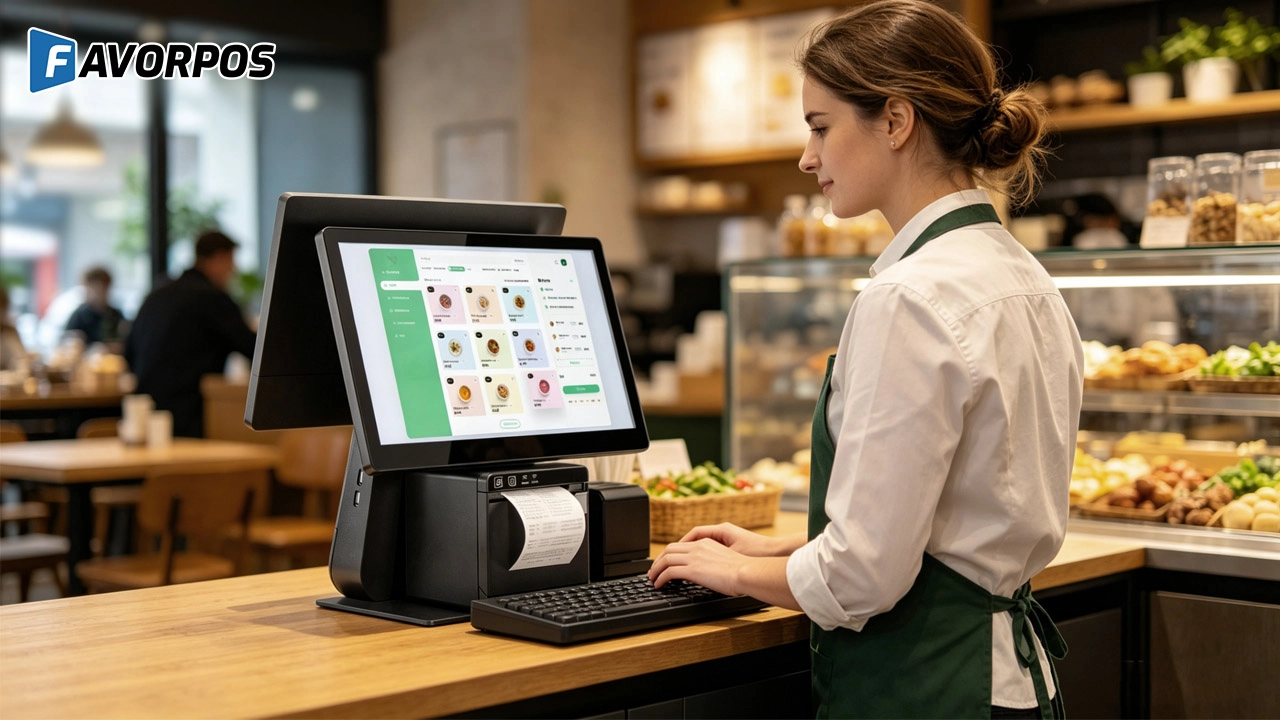
Smart Checkout, Simplified: Exploring the Power of a 15.6-Inch All-in-One POS Terminal
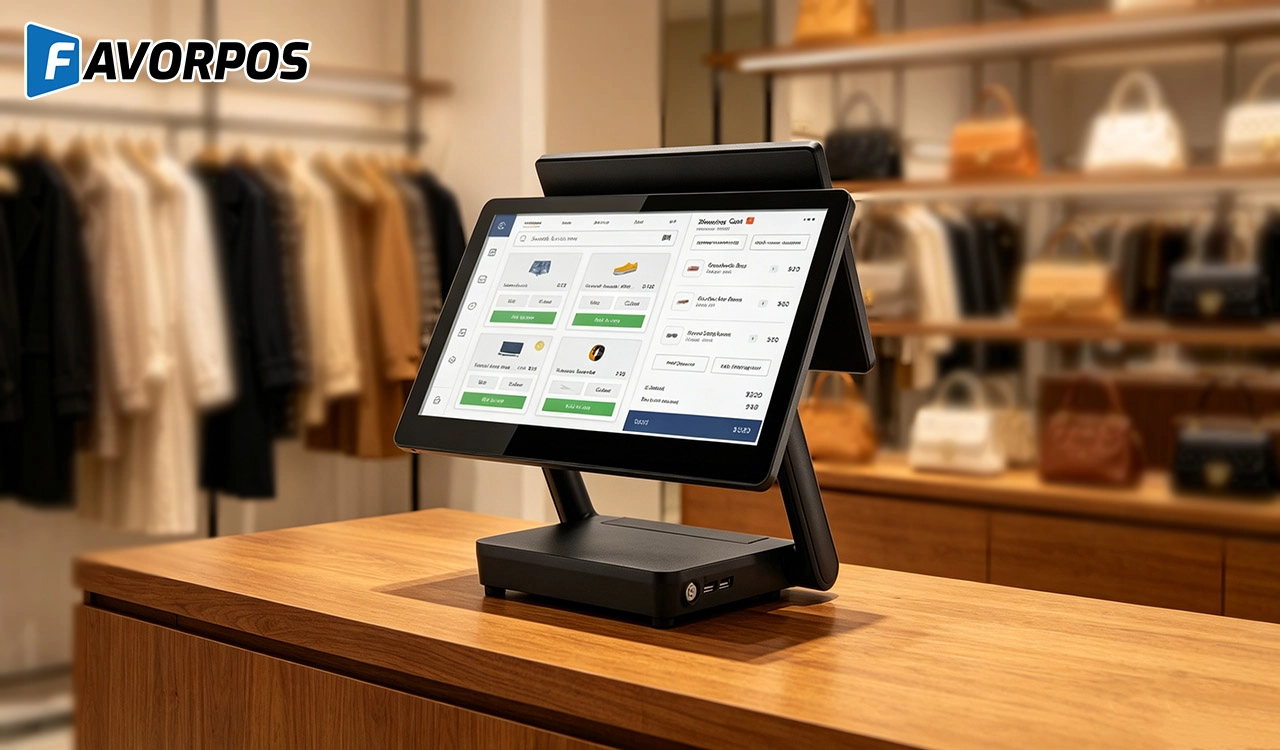
Why a 15.6” Touch POS Terminal Is Becoming the New Standard in High-Traffic Retail
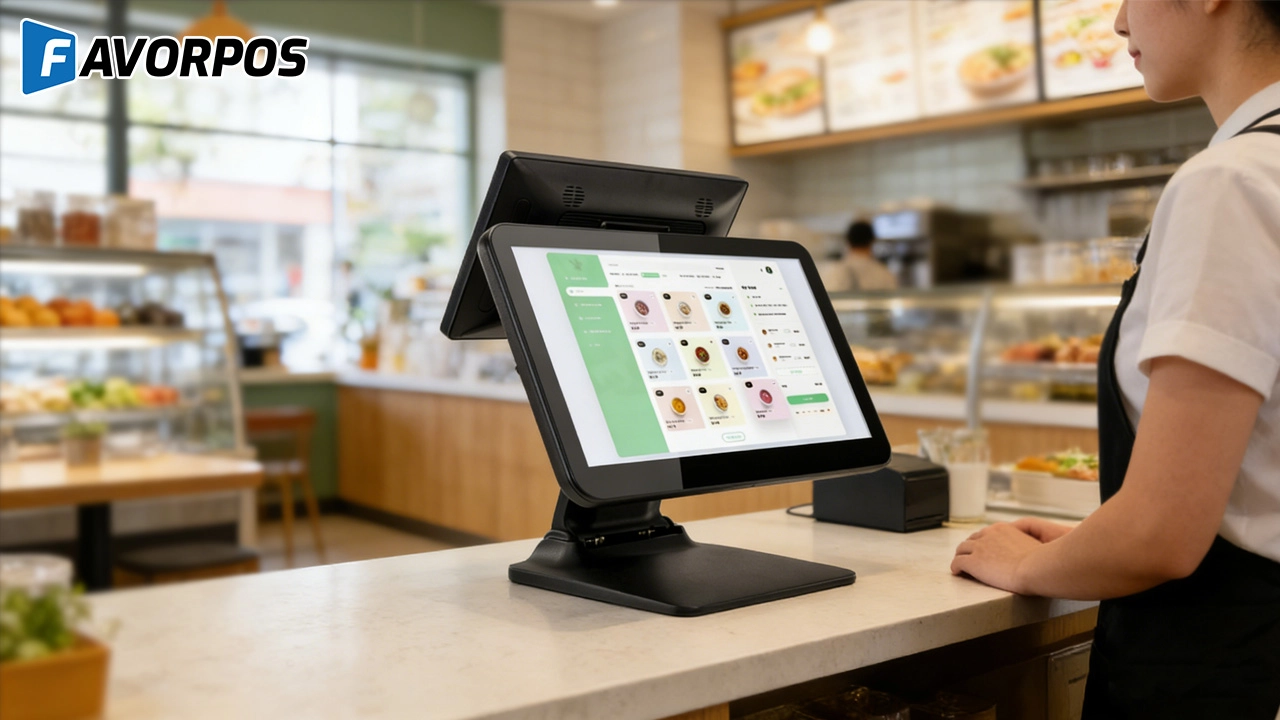
Beyond Checkout: How a 15.6-Inch Aluminum POS System Redefines Retail Efficiency
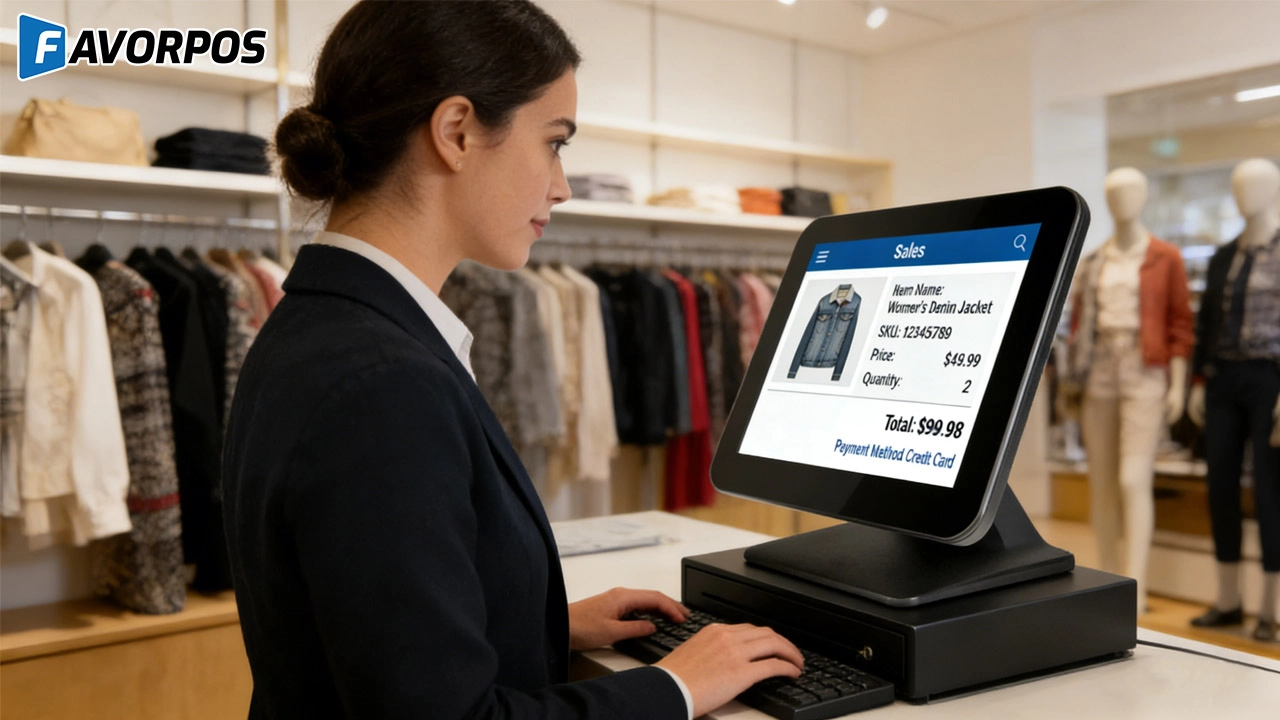
Understanding 15-Inch Aluminum POS Terminals in Modern Commercial Use
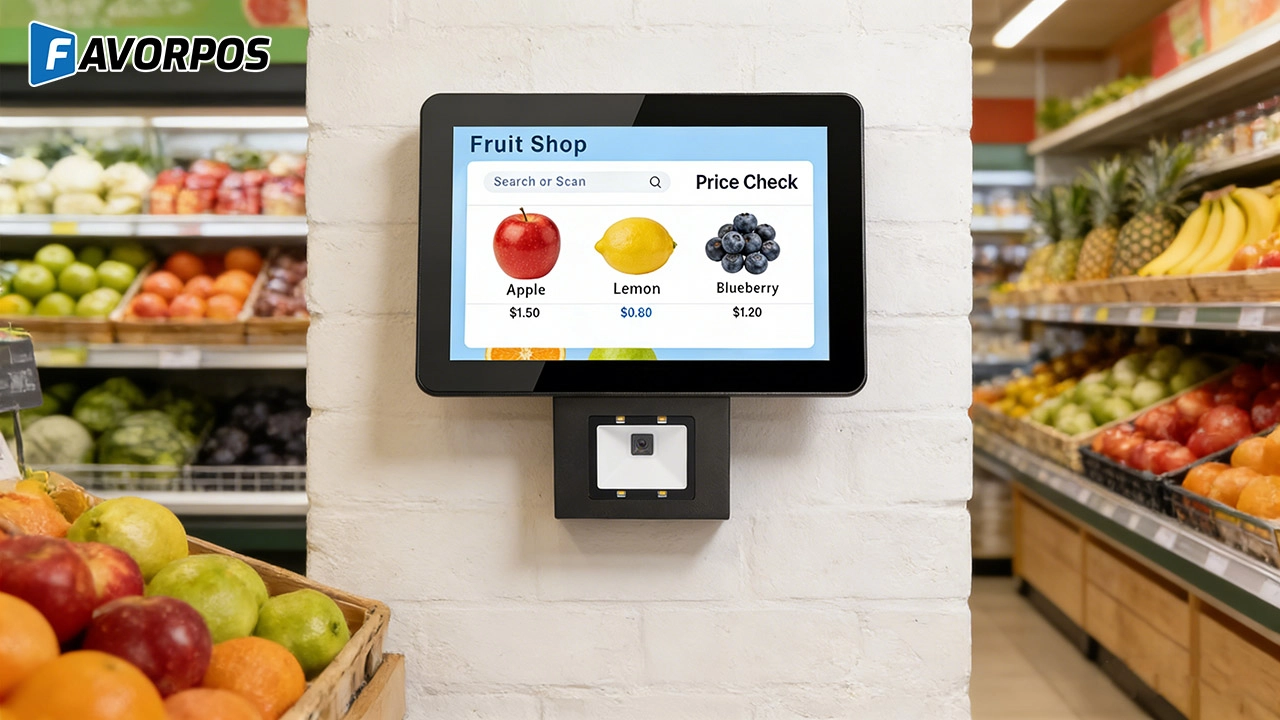
The Smart Way to Check Prices: How a 10.1-Inch Wall-Mounted Price Checker Transforms Retail Stores
For Healthcare
How do you ensure data security and patient privacy?
We implement advanced encryption, user authentication and access control to protect sensitive data and follow industry best security practices.
For Restaurants & Cafes
How to update the menu or add new items?
After being equipped with the corresponding software, our POS machine allows you to easily update the menu through the backend management interface. You can add new items, modify prices or adjust the menu layout, and all changes will be reflected in the system in real time, ensuring that employees always have the latest menu information.
For Distributor
What are the requirements to become a reseller?
We look for resellers with a strong market presence, relevant industry experience, and the ability to effectively promote and support our products. Specific requirements will be discussed during the application process.
For E-commerce
Does your POS system provide real-time analytics?
Yes, our system provides detailed real-time analytics to help you track sales performance, customer behavior, and inventory levels.
For Beauty and Wellness
How to ensure data security and compliance?
Our POS system meets industry data security and protection standards to ensure secure processing and storage of customer and transaction data. At the same time, it complies with relevant regulations and standards of the beauty and wellness industry.
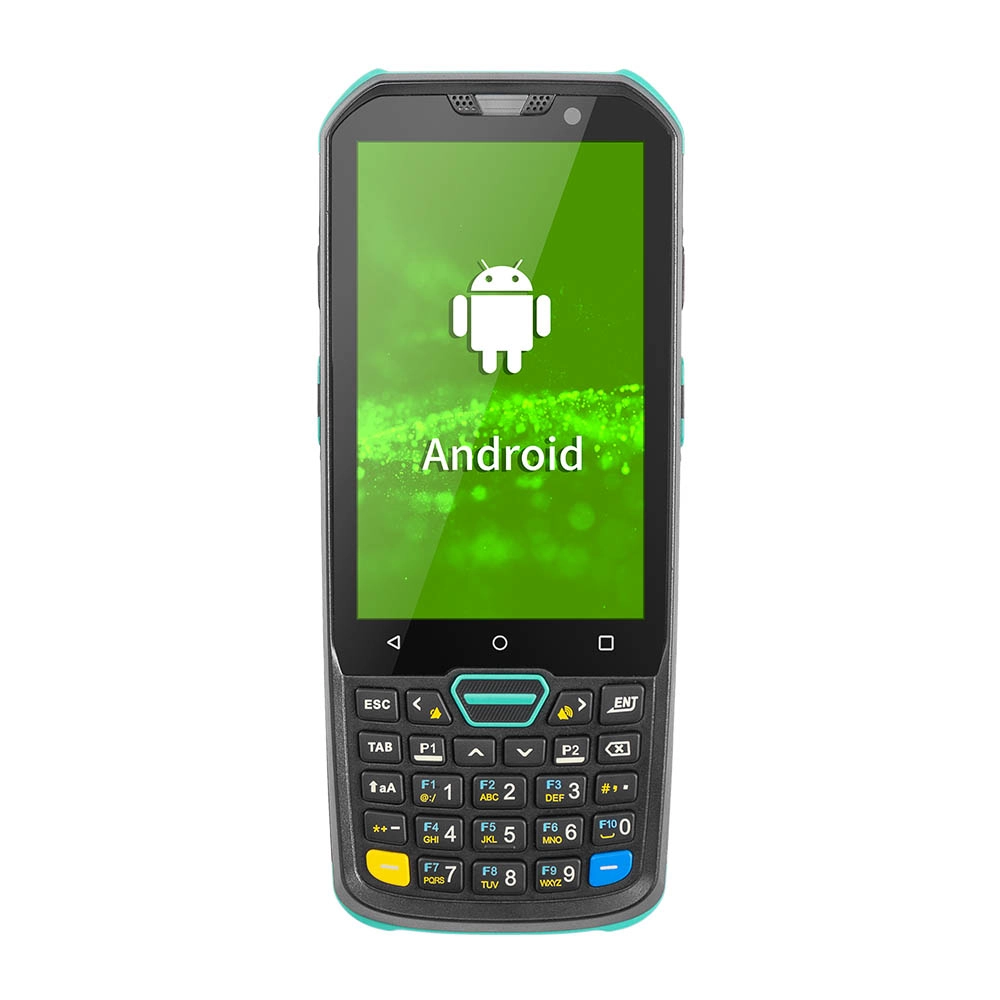
Factory Smart 4 inch Mobile PDA Data Collector with Keyboard
Our Factory Smart 4-Inch Mobile PDA Data Collector is equipped with a convenient keyboard for easy data entry. This compact device is designed for efficient inventory management and logistics operations, offering robust performance in a lightweight design. With a bright display and user-friendly interface, it allows for quick access to essential data on the go. Its durable construction ensures reliability in demanding environments, making it an ideal choice for retail, warehousing, and field operations.

11.6 inch Capacitive Touchscreen for POS Machine POS Monitor
FAVORPOS 11.6-inch capacitive touchscreen, specifically designed for POS machines to deliver a seamless and responsive user experience. This high-definition display offers vibrant visuals and crystal clear clarity, making it easy for staff to navigate through transactions efficiently. The capacitive technology ensures quick and accurate touch recognition, reducing wait times and enhancing customer satisfaction. Built to withstand the rigors of daily use, this touchscreen is perfect for retail and hospitality environments.
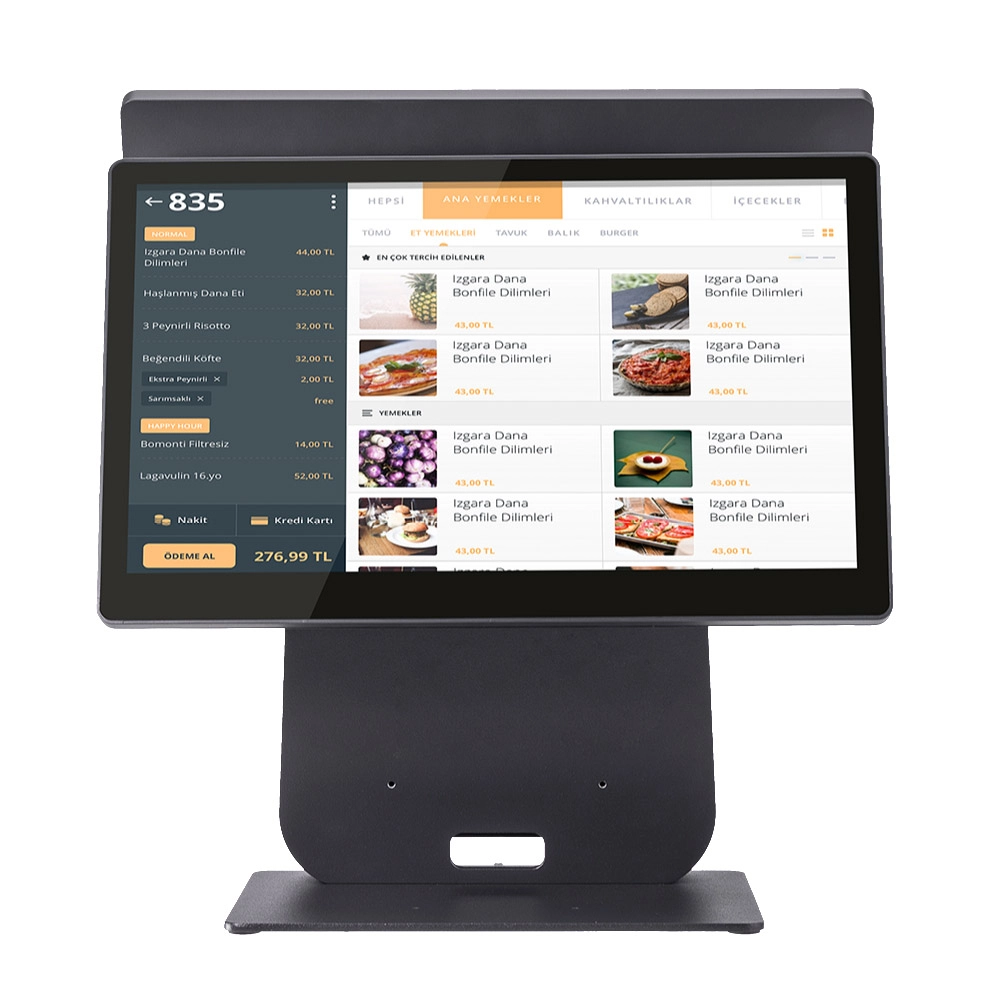
HD Dual Screen POS Machine Aluminum Hardware Android Windows Supplier
This dual-screen POS machine supports both Android and Windows systems, providing flexibility for various applications. The dual screens enhance customer interaction and streamline the checkout process, making transactions quicker and more engaging. Perfect for modern businesses looking to elevate their service and improve customer satisfaction, this POS machine is your ultimate partner in success!
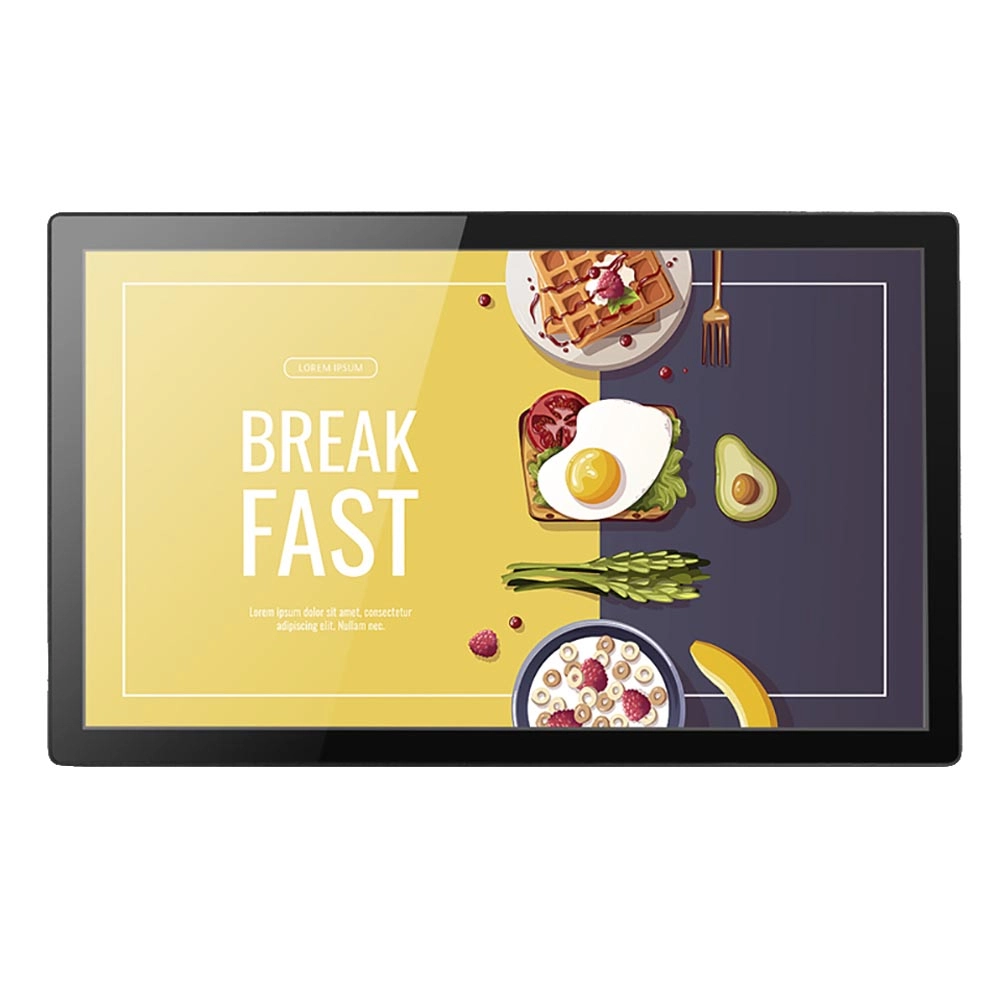
Wall Mount Cash Register POS 21.5 inch for Supermarket Touchscreen Windows Factory
Our sleek and modern wall-mounted POS system features a stunning 21.5-inch LED display, providing exceptional visibility and clarity for seamless customer interactions. The capacitive touchscreen ensures a highly responsive and intuitive user experience, perfect for fast-paced retail environments. With its space-saving wall-mounted design, this POS solution is ideal for optimizing floor space while maintaining a professional and contemporary appearance.
Get in touch
Interested in becoming a POS system dealer? Contact us for more information and start the process of joining our dealer network.
We look forward to working with you to expand the market together.


Copyright © 2025 Favorpos All Rights Reserved.
